

Al 5052 H32 Material Properties
5052-H32 is a non-heat-treatable aluminum-magnesium alloy supplied in a strain-hardened and stabilized temper. For marine fabricators, the main concern is usually not maximum strength. It is whether the sheet can resist seawater exposure, bend without cracking, weld reliably, and arrive with traceable certificates across repeated orders.
This article focuses on how to evaluate 5052 aluminum plate and sheet for marine panels, enclosures, deck components, tanks, cabinets, and formed parts.
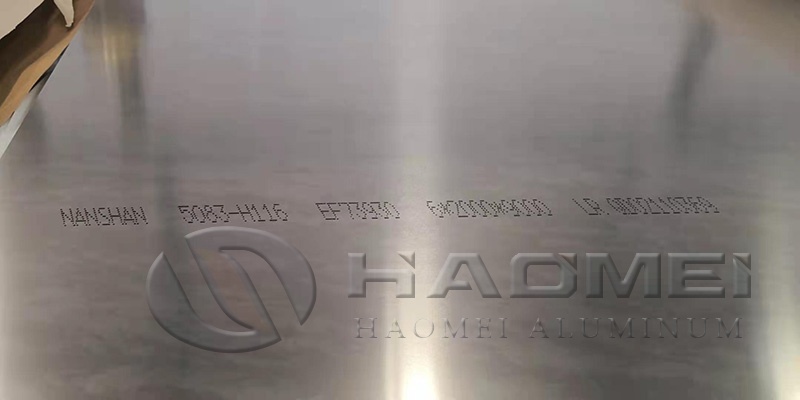
What 5052-H32 Means
5052 is an Al-Mg alloy. The main alloying element is magnesium, typically 2.2% to 2.8% under ASTM B209 chemical limits. Chromium is also present, typically 0.15% to 0.35%, helping control grain structure and corrosion behavior.
H32 means:
H: strain hardened.
3: strain hardened and stabilized.
2: quarter-hard strength level.
The temper matters. 5052-O bends more easily but has lower strength. 5052-H32 gives a practical balance between formability and mechanical strength for formed marine sheet parts.
Applicable Standards to Specify
Use current editions and state the full document number on the purchase specification.
| Requirement | Common standard | What to verify |
|---|---|---|
| Sheet and plate supply | ASTM B209/B209M | Alloy 5052, temper H32, thickness tolerance, flatness |
| European aluminum sheet | EN 485-2, EN 485-3, EN 573-3 | EN AW-5052 composition and mechanical properties |
| Tensile test | ASTM E8/E8M or ISO 6892-1 | Yield strength, tensile strength, elongation |
| Bend test | ASTM E290 or ISO 7438 | Bend radius and cracking acceptance |
| Hardness reference | ASTM E10 or ASTM E18 | Production consistency, not a substitute for tensile testing |
| Mill certificate | EN 10204 3.1 | Heat number, chemistry, mechanical values, dimensions |
| Marine classification, if required | ABS, DNV, LR, BV rules | Product approval and survey scope for classified vessels |
For classed hull structures, 5083-H116, 5083-H321, or 5086 grades are more commonly specified than 5052. Use 5052-H32 mainly for non-primary structural parts unless the vessel design authority approves it.
Typical 5052-H32 Properties
The figures below are typical commercial references. Contract acceptance should always follow the stated standard and thickness range.
| Property | Typical value or range | Procurement note |
|---|---|---|
| Density | 2.68 g/cm3 | Useful for weight calculations |
| Elastic modulus | About 70 GPa | Similar to other aluminum alloys |
| Ultimate tensile strength | About 215 MPa to 265 MPa | ASTM and EN values vary by thickness |
| 0.2% proof or yield strength | About 160 MPa minimum | Confirm exact minimum by standard and gauge |
| Elongation | Commonly 3% to 12% depending on thickness | Thin sheet has lower specified elongation |
| Brinell hardness | Around HB 60 | For reference checks only |
| Thermal conductivity | About 138 W/m-K | Higher than stainless steel |
| Electrical conductivity | About 35% IACS | Relevant for grounding design |
| Melting range | About 607°C to 650°C | Welding heat input must be controlled |
Performance in Marine Service
5052-H32 performs well in atmospheric marine exposure and splash-zone components because the alloy forms a stable aluminum oxide film. Its magnesium level is lower than high-Mg 5xxx alloys, reducing sensitization concerns compared with alloys containing more than 3% Mg.
Suitable applications include:
Cabin panels and interior marine fit-out.
Console covers and electrical enclosures.
Small tanks and formed trays.
Non-structural deck accessories.
Protective covers, brackets, and light-duty panels.
Avoid using 5052-H32 where the design requires high welded strength, severe impact resistance, or primary hull strength. In those cases, compare it with 5083 aluminum plate, especially in H116 or H321 tempers for marine structures.
5052-H32 vs Alternative Marine Materials
| Material | Strength | Corrosion behavior | Fabrication | Best-fit use |
|---|---|---|---|---|
| 5052-H32 aluminum | Medium | Very good in marine atmosphere | Excellent bending, good welding | Formed sheet, enclosures, tanks, panels |
| 5083-H116/H321 aluminum | Higher | Excellent seawater resistance | Good welding, less formable than 5052 | Hull plate, deck plate, structural parts |
| 6061-T6 aluminum | Higher base-metal strength | Good, but less preferred for seawater than 5xxx | Welded zone loses T6 strength | Machined fittings, frames, profiles |
| 316L seamless stainless pipe | High strength and pressure capability | Excellent in many piping systems, risk of crevice corrosion in stagnant chloride | Weldable, heavier than aluminum | Seawater piping, hydraulic lines, process systems |
When aluminum sheet contacts seamless stainless steel pipe, fasteners, or brackets, use insulation washers, non-absorbent gaskets, sealant, or coating systems. In seawater, direct electrical contact between aluminum and stainless steel can accelerate galvanic corrosion of the aluminum.
Welding and HAZ Design
5052 is readily weldable by GTAW or GMAW. Common filler choices under AWS A5.10 include 5356 for general 5xxx welding. For mixed joints involving higher-strength 5xxx alloys, the welding procedure specification should confirm filler selection, joint strength, corrosion exposure, and service temperature.
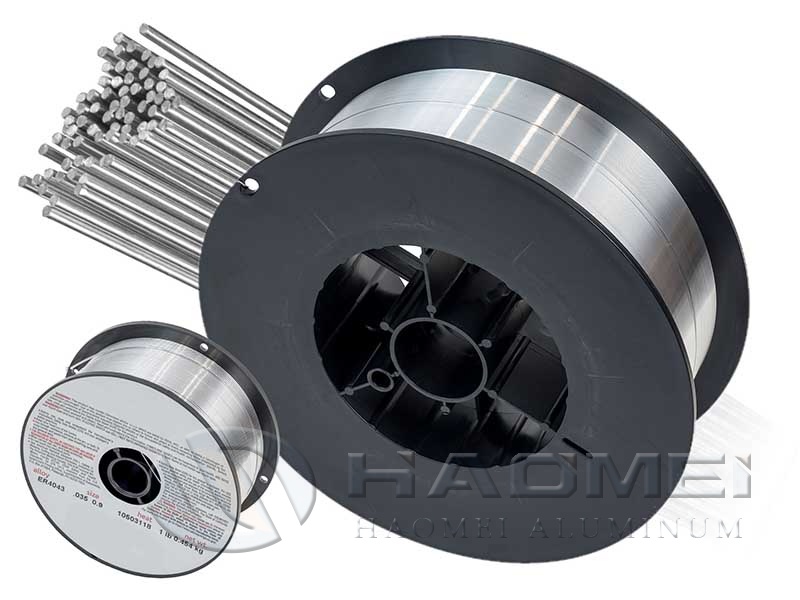
Important welding controls:
Design welded zones using reduced heat-affected-zone strength, not only parent-metal H32 strength.
Remove oxide, oil, marking ink, and moisture before welding.
Use stainless steel wire brushes dedicated only to aluminum.
Control heat input to limit distortion on thin sheet.
Avoid copper backing bars in direct contact unless the procedure is approved and contamination is prevented.
For formed parts that will be welded after bending, test the full sequence: cut, bend, weld, inspect, and coat. A coupon test prevents production rejection caused by bend-line cracking or weld distortion.
Inspection Checklist for High-Volume Orders
Ask the mill or distributor to confirm the following before production release:
Alloy and temper: 5052-H32 stated exactly.
Standard: ASTM B209/B209M or EN 485 series, with edition year if required.
Thickness and tolerance: include width, length, diagonal tolerance, flatness, and edge condition.
Surface: mill finish, PVC film, interleaving paper, anodizing suitability, or coating requirements.
Certificate: EN 10204 3.1 with heat number, chemical composition, tensile results, and batch traceability.
Test sampling: define coil, plate, or heat-lot sampling frequency.
Packaging: seaworthy wooden pallets, desiccant, edge protection, and moisture barrier for container transport.
Identification: stencil or label with alloy, temper, size, heat number, and net weight.
Dimensional and Surface Risks to Control
Thin 5052-H32 sheet is sensitive to handling marks and transit moisture. For visible marine panels, specify surface acceptance instead of relying on a generic mill finish.
| Risk | Cause | Preventive action |
|---|---|---|
| White rust or water staining | Condensation during sea freight | Use dry packaging, vapor barrier, desiccant, and prompt unloading |
| Bend cracking | Bend radius too tight or grain direction ignored | State minimum inside bend radius and test across/with grain |
| Oil stains | Rolling lubricant residue | Define cleaning or coating pretreatment requirement |
| Waviness | Coil leveling variation | State flatness tolerance and inspection method |
| Certificate mismatch | Mixed heats in one shipment | Require heat-level marking and separated packing lists |
Practical Selection Rules
Choose 5052-H32 when the part needs corrosion resistance, moderate strength, and reliable forming. Choose 5052-O when deep drawing or tight-radius forming is the priority. Move to 5083-H116 or 5086-H116 when the part carries structural marine loads. Use 316L seamless stainless pipe for pressure piping or high-temperature fluid service, but isolate it from aluminum supports in chloride environments.
A clear order line should read like this:
Aluminum sheet, ASTM B209, Alloy 5052, Temper H32, 3.0 mm x 1500 mm x 3000 mm, mill finish with PVC one side, EN 10204 3.1 certificate, tensile test per ASTM E8/E8M, seaworthy export packing.
Add project-specific requirements for coating, bending direction, marine class review, or welding procedure approval before the supplier begins cutting or leveling.