

5052 Marine Grade Aluminium
Holiday shutdowns often compress repair schedules for ferries, fishing boats, marina facilities, and coastal equipment. That is where 5052 marine grade aluminium becomes a practical holiday solution: it helps fabricators secure corrosion-resistant material before port closures, labor gaps, and freight delays affect delivery.
For many marine projects, the top concern is not maximum strength. It is reliable corrosion resistance with good forming performance, especially for tank covers, walkways, cabinets, panels, signs, hatch parts, and non-structural marine fabrications.
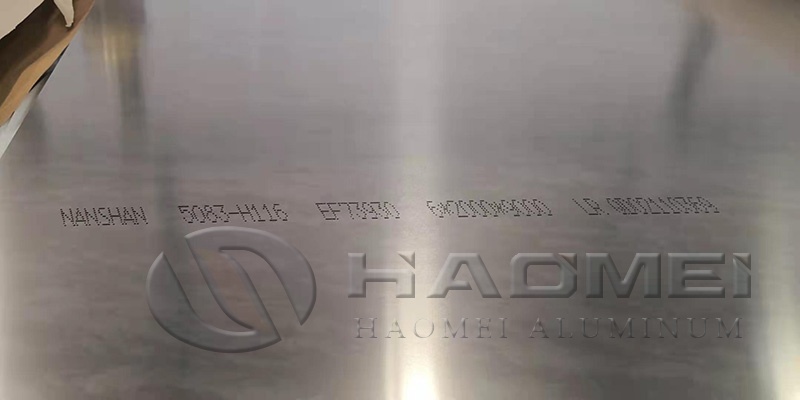
Why 5052 fits holiday-season marine demand
5052 is an aluminum-magnesium alloy in the 5xxx series. It is widely used where seawater resistance, weldability, and bendability matter. According to Aluminum Association alloy designations and common marine fabrication practice, 5052 is suitable for sheet and plate applications exposed to marine atmosphere and splash zones, though project suitability still depends on design load, temper, thickness, welding method, and classification requirements.
During pre-holiday planning, this alloy helps solve three common problems:
Delayed fabrication caused by difficult forming
Premature corrosion in coastal storage or service
Overstocking expensive higher-strength alloys where they are not required
If the application needs higher strength for hull or heavily loaded structures, teams often compare 5052 with 5083 aluminum plate or 5086 aluminum plate. For covers, interior marine parts, trailer components, and formed panels, 5052 is frequently the more economical choice.
What performance matters most
1. Corrosion resistance
5052 contains magnesium as the main alloying element. This gives it good resistance in marine atmosphere and saltwater-related service environments. It is commonly selected for:
Deck hardware panels
Console and enclosure sheets
Fuel and utility tank components
Pipe cladding and insulation jackets
Gangway and dock accessories
For holiday inventory planning, this matters because material may sit in coastal warehouses before installation. Better corrosion resistance reduces rework risk.
2. Formability
5052 is known for strong forming performance, especially in thinner gauges. It is often chosen for bent or rolled parts where cracking at corners would create downtime.
Typical advantages:
Easier bending than many higher-strength marine alloys
Better fit for stamped or folded sheet parts
Lower scrap risk on complex panel shapes
3. Weldability
Like other non-heat-treatable 5xxx alloys, 5052 offers good weldability. Filler wire selection must follow the fabricator's welding procedure specification and corrosion requirements. For marine fabrication, matching the sheet, profile, and welding consumables in one shipment can reduce holiday logistics pressure.
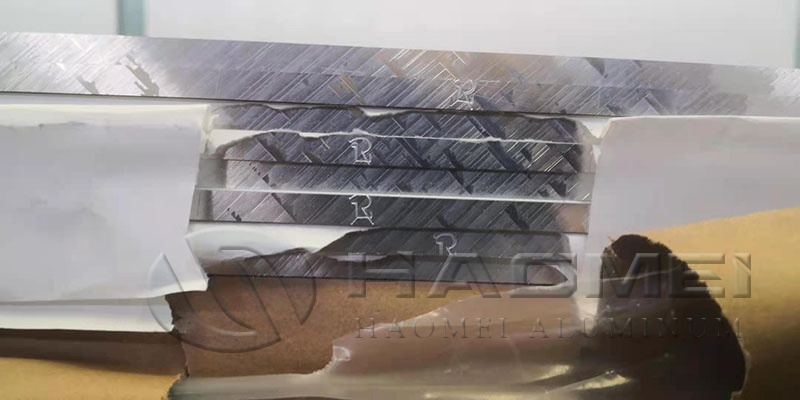
Quick comparison for marine sourcing
| Item | 5052 | 5083 | 5086 |
|---|---|---|---|
| Main advantage | Formability + corrosion resistance | Higher strength | Good structural marine balance |
| Common use | Panels, tanks, covers, cabinets | Hulls, decks, pressure areas | Hulls, gangways, structures |
| Weldability | Good | Good | Good |
| Relative formability | Better | Moderate | Moderate |
| Typical cost trend | Often lower than 5083/5086, depends on temper and thickness | Higher | Higher |
Pricing varies by thickness, width, temper, mill origin, certification, freight, and order timing. In practice, marine alloys can fluctuate with London Metal Exchange aluminum prices, regional processing costs, and port logistics. For holiday orders, lead time often affects total landed cost as much as the alloy itself.
Compliance checks before you place an order
Marine purchasers should verify documents, not just alloy names. Ask for the following:
Material checklist
Alloy and temper, such as 5052-H32 or required alternative
Mill test certificate with chemical composition and mechanical properties
Standard reference, such as ASTM B209 for sheet and plate if applicable
Dimensions, tolerances, flatness, and surface finish
Packing method for coastal or export storage
Heat number traceability
Project checklist
Is the part structural or non-structural?
Will it be welded, bent, anodized, or painted?
Does the project require class society review, such as Lloyd's Register, DNV, ABS, or Bureau Veritas approval for the specific product form?
Is galvanic isolation needed where aluminum contacts stainless steel fittings?
This last point matters when sourcing aluminum together with seamless stainless steel pipe and pipe fittings. Mixed-metal assemblies in marine environments need insulation design, suitable fasteners, and surface protection to reduce galvanic corrosion risk.
Best timing and channels for conversion-focused planning
For marine and industrial holiday campaigns, timing matters more than slogans.
Best timing
8-10 weeks before major year-end shutdowns: lock production slots for custom sheet sizes and profiles
6-8 weeks before Christmas and New Year: finalize certifications, packing, and mixed-container planning
4-6 weeks before Lunar New Year: confirm export documentation and replacement stock for urgent repairs
Best channels
Email campaigns to existing marine fabricators with stock-size lists and cert availability
Search-optimized product pages focused on application problems, not generic alloy descriptions
Quotation follow-up with side-by-side alloy comparison tables
Retargeting ads highlighting lead time security for coastal projects
For conversion, the message should stay simple: 5052 helps complete corrosion-sensitive, formed marine parts on time without paying for unnecessary strength.
Practical order questions to reduce risk
Before confirming supply, ask these five questions:
What exact temper is required for forming and final strength?
Does the drawing require class-approved material?
Are sheets, profiles, and welding wire available in the same delivery window?
Will stainless pipe and fittings be installed in direct contact with aluminum?
Is the part actually a 5052 application, or should a stronger 5xxx alloy be used?
That process helps avoid specification drift, holiday delays, and avoidable cost increases.
For coastal fabrication and non-heavy structural marine work, 5052 marine grade aluminium remains a dependable option because it balances corrosion resistance, workability, and procurement efficiency. When stocked with the right profiles, consumables, fittings, and stainless pipe, it supports faster holiday refit execution and steadier project margins.