

Marine Grade Aluminium Supplier In Uae
Focus
Top concern to control: traceability and certification (heat number, mill test reports, and chain of custody). In marine fabrication, material mistakes are expensive because rework often means re-cutting, re-welding, re-qualifying, and delaying class inspection.
Where it fails
Common failure modes seen in seawater service projects:
- Plate delivered as "marine grade" but not a 5xxx alloy suitable for seawater.
- Temper or thickness not matching the approved WPS/PQR (weld procedure and qualification).
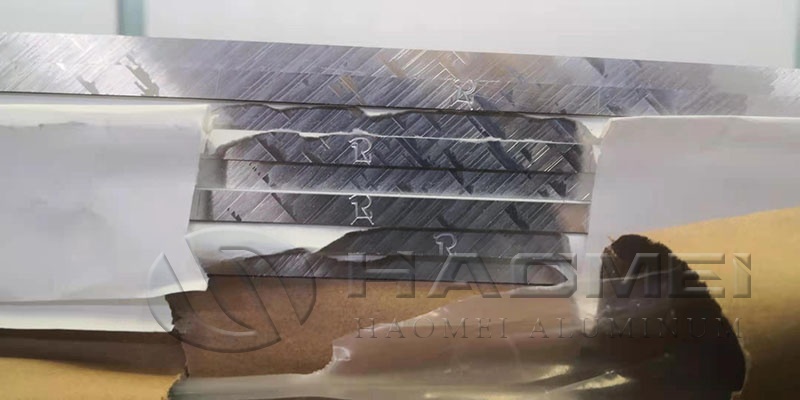
- No verifiable EN 10204 3.1 inspection certificate, or certificate not matching the heat number on the plate.
- Mixed stock from multiple heats without clear identification after cutting.
- Wrong filler wire selection causes reduced corrosion performance or cracking risk.
Alloy picks
"Marine grade" is not a single standard. For hulls, decks, superstructures, and tanks, the industry most often specifies Al-Mg 5xxx series because they resist seawater corrosion and keep strength after welding.
Quick comparison
| Alloy family | Typical use | Strength after welding | Seawater corrosion | Notes for UAE supply |
|---|---|---|---|---|
| 5083 (Al-Mg) | Hull plating, decks | High | Excellent | Widely specified for workboats and yachts; confirm H116/H321 for plate |
| 5086 (Al-Mg) | Hulls, cryogenic, tanks | High | Excellent | Often chosen when forming is heavier; confirm temper and flatness |
| 6061/6082 (Al-Mg-Si) | Machined parts, extrusions | Medium | Good | Heat-treated; welding reduces strength in HAZ; use where design allows |
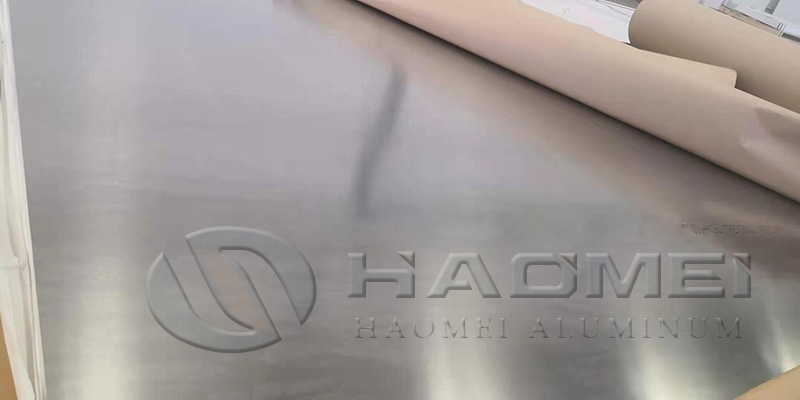
For projects that specify 5083 aluminum plate or 5086 aluminum plate, insist on temper, thickness, and certificate matching the drawing and class pack.
Specs to request
A capable UAE stockist or service center should support the documentation pack expected by yards, EPCs, and class surveyors.
Checklist for the RFQ and PO:
- Alloy and temper
- Example: 5083-H116 or 5083-H321 plate (marine service), with thickness and tolerances.
- Product form
- Plate vs sheet vs extrusion, plus finish requirements (mill finish, PVC film, etc.).
- Inspection certificate
- Ask for EN 10204 3.1 (common in international supply chains). Ensure heat number on certificate matches plate stamp.
- Standards alignment
- Common references include EN / ASTM product standards depending on the project spec. Keep it consistent across BOM.
- Class / marine approvals (when required)
- If the vessel is classed, the project may require additional class-related documentation or approval routes (e.g., ABS, DNV, Lloyd's Register). Confirm with the shipyard or EPC specification before ordering.
- Marking and traceability rules
- Require permanent plate marking (heat, alloy, temper) and rules for remarking after cutting.
Practical note: "3.1 cert available" is not enough. The certificate must be issued for the delivered material, not a generic mill statement.
Process fit
Marine aluminum performance depends on fabrication controls, not only the alloy.
- Cutting: Waterjet or plasma can be acceptable, but manage heat input, dross removal, and edge condition.
- Forming: 5xxx alloys form well; verify minimum bend radius and grain direction for thicker plate.
- Welding: Use qualified procedures (WPS/PQR). 5xxx alloys are commonly welded with Al-Mg filler wires; confirm compatibility with service temperature and corrosion requirements.
- Post-weld cleaning: Remove chlorides and shop contamination. Avoid carbon steel tooling contact to prevent embedment and staining.
Standards and compliance
What is verifiable without guessing:
- EN 10204 defines types of inspection documents. A "3.1" certificate is issued by the manufacturer with results linked to the specific heat/lot.
- Class society requirements (ABS, DNV, LR, etc.) are project-specific. They typically require traceable documentation, controlled welding qualifications, and survey/hold points. The exact wording comes from the vessel's class rules and the contracted specification.
Receiving file to maintain:
- PO and approved material submittal
- EN 10204 3.1 certificate(s)
- Packing list with heat mapping
- Any additional project-required approvals
Cost drivers
Pricing varies with LME aluminum price movements, regional premiums, rolling capacity, and freight. Instead of publishing a number that can become wrong quickly, control cost using the levers that remain stable:
- Specification discipline: Do not over-specify thickness tolerances or surface protection if not required.
- Yield planning: Nesting and cut size optimization often saves more than negotiating per-kg price.
- Certification scope: Request the exact certificate level needed; unnecessary re-testing adds time and cost.
- Service level: Cutting, leveling, PVC, and expedited delivery add value but must be compared against in-house capability.
Supply chain reality in UAE
UAE supply commonly combines:
- Imported plate/sheet from major rolling regions (Europe, Asia, Middle East), held by local stockists.
- Local processing (sawing, cutting, leveling, profiling) to match fabrication schedules.
To reduce schedule risk, ask these questions before award:
- What is the available stock by thickness and how many heats are involved?
- Can they provide heat mapping to your cut list?
- What is the lead time for replenishment if partial backorder happens?
- Can they keep segregated storage for class projects?
Receiving checks
Use this short incoming inspection routine to prevent the most common traceability failures:
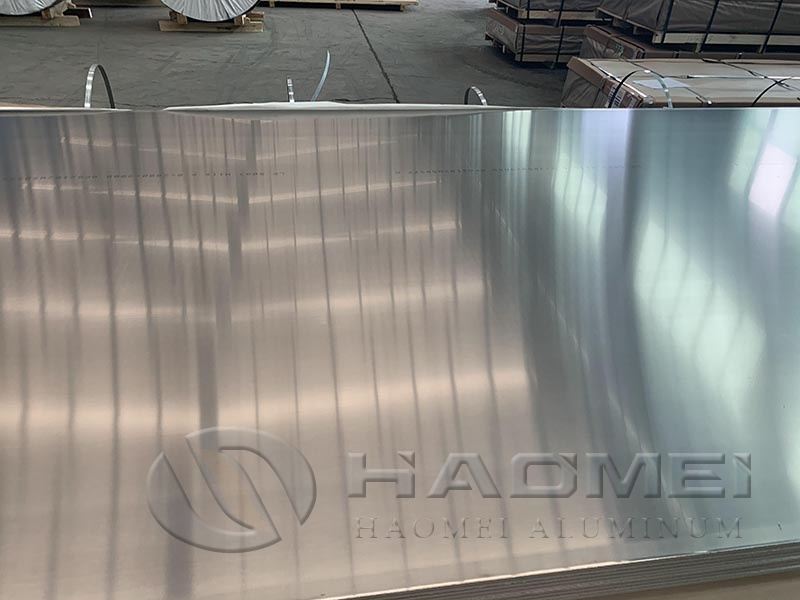
- Visual and dimensional: thickness, flatness, edge condition, surface defects, PVC status.
- Markings: alloy, temper, heat number must be present and legible.
- Certificate match: heat number, dimensions, quantity, and mechanical/chemical results aligned with the delivery.
- Segregation: store by heat; if you cut, re-mark every piece immediately.
- Nonconformance trigger: if markings or certificates are missing or inconsistent, quarantine before production.
Market cycle signals
Marine aluminum demand typically tracks ship repair cycles, newbuild orders, offshore activity, and public-sector fleet spending. Practical signals that affect lead times in the region:
- Rising rolling mill lead times for 5xxx plate in common thickness ranges.
- Increased freight variability on import lanes.
- Project clustering (multiple refits/newbuilds) that temporarily tightens local stock.
Operational response:
- Lock critical thicknesses early.
- Approve alternates only if the design authority accepts alloy/temper equivalency and documentation impact.
- Keep traceability intact through fabrication to avoid survey delays.