

C70600 Pipe
Marine operators often schedule seawater-system maintenance during Christmas, New Year, or other year-end shutdown periods. This creates a practical supply challenge: replacement materials must match the existing system, arrive with traceable documentation, and be ready for fabrication before the maintenance window closes.
For condenser, cooling-water, fire-water, and seawater piping applications, C70600 copper-nickel alloy offers a proven corrosion-resistant material option when the specification calls for 90/10 Cu-Ni. The holiday solution is not simply placing an urgent order. It is confirming the alloy, pipe standard, dimensions, joining components, and inspection records early enough to avoid a mismatch during vessel downtime.
Why C70600 Supports Seawater Repair Planning
UNS C70600 is a copper-nickel alloy commonly described as 90/10 copper-nickel. ASTM material specifications identify its nominal nickel range as 9.0% to 11.0%, with iron typically specified at 1.0% to 1.8%. Copper forms the balance. Iron is intentionally controlled because it contributes to corrosion performance in flowing seawater conditions.
The material is regularly specified for marine service because copper-nickel alloys can form protective surface films in seawater. However, material selection must still account for water velocity, pollution, sulfides, stagnant conditions, galvanic coupling, design temperature, and cleaning chemicals. No pipe alloy eliminates the need for proper system design and commissioning.
A frequent year-end repair problem is treating every copper-colored pipe as interchangeable. C70600, C71500 70/30 copper-nickel, brass, bronze, and aluminum-brass have different chemistry, mechanical properties, and service behavior. Confirm the original piping specification before releasing replacement material.
| Checkpoint | What to verify | Why it matters during a shutdown |
|---|---|---|
| Alloy identity | UNS C70600 on the mill test certificate | Prevents substitution with a different copper alloy |
| Product form | Seamless pipe or tube, as required | Pipe and tube may use different dimensional conventions |
| Standard | Applicable ASTM or project specification, such as ASTM B466 where specified | Aligns dimensions, testing, and acceptance requirements |
| Size | OD, wall thickness, length, tolerance | Avoids field cutting or fit-up delays |
| Joining items | Compatible elbows, flanges, reducers, and welding consumables | Keeps installation work moving in one window |
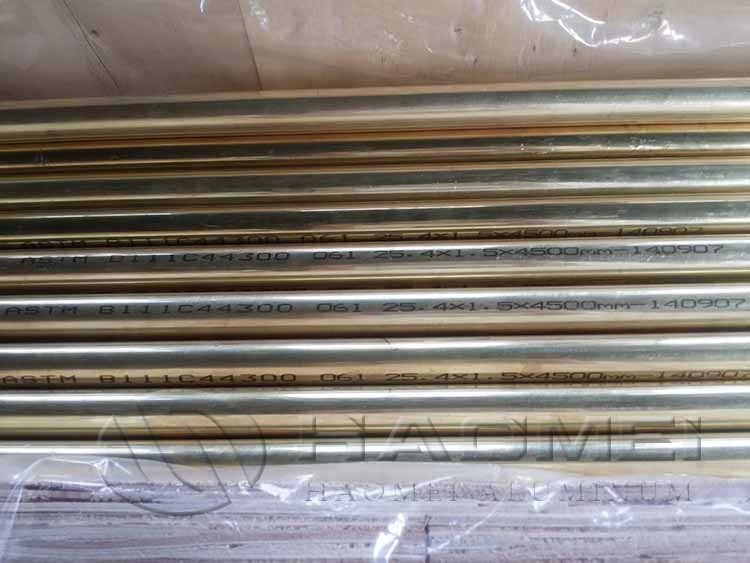
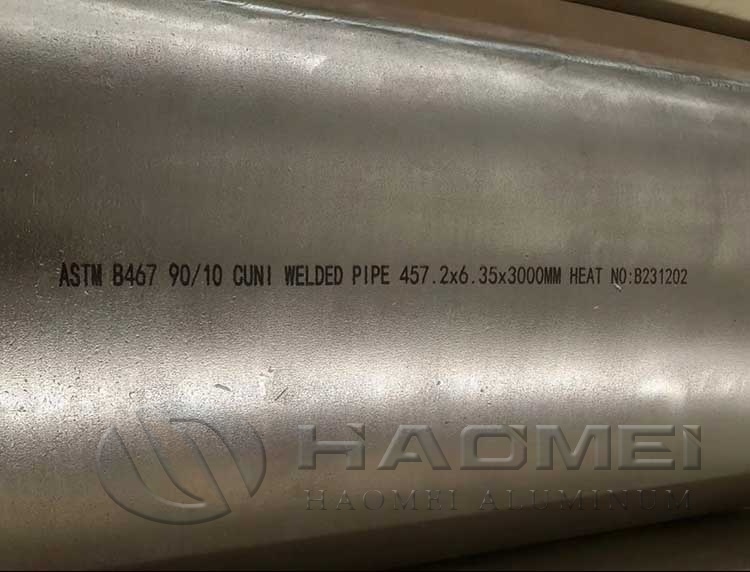
| Traceability | Heat number and certificate matching product marks | Supports inspection and vessel records |
For projects requiring a matching connection package, specify Cupro Nickel Fittings by alloy, pressure class, end type, and dimensional standard. Do not assume fittings are C70600 simply because they are labeled copper-nickel.
Holiday Shutdown Checklist: Preventing Material Mismatch
The most important concern for scheduled marine maintenance is fit-for-service verification before the holiday closure period. A short approval process can prevent costly waiting time after the vessel is opened or a cooling loop is isolated.
Use this sequence before confirming the order:
Read the existing drawing and maintenance record. Record the material designation, pipe schedule or wall, nominal size, flange rating, and joint type. Photograph markings on removed material where possible.
Define the governing standard. C70600 can be supplied under different standards depending on product form and project requirements. ASTM B466 covers seamless copper-nickel pipe and tube, while other ASTM standards may apply to condenser tubing, plate, fittings, or welding products. State the exact standard and revision required in the purchase specification.
Request a mill test certificate before installation. The certificate should identify the producer, heat or lot reference, chemical analysis, dimensions, mechanical test results where required, and applicable specification. Match the heat number on the certificate with markings on the material.
Confirm corrosion conditions, not just alloy name. Ask the engineering team about seawater velocity, intermittent operation, chlorination practice, sediment, and any connection to steel or aluminum components. Copper-nickel systems perform best when flow and commissioning conditions follow the design basis.
Check fabrication compatibility. Welding procedure specifications, filler metal selection, cleanliness controls, and post-weld inspection requirements should be available before work begins. For mixed-material systems, review galvanic isolation requirements with the project engineer.
Set a realistic dispatch and receiving date. Holiday carrier schedules, customs clearance, warehouse closures, and inspection hold points can affect timing. Request confirmed stock status, cut-length capability, packing details, and documentation release dates rather than relying on a general delivery estimate.
| Common shutdown issue | Practical control | Responsible team |
|---|---|---|
| Wrong wall thickness delivered | Approve a dimension sheet showing OD and wall | Engineering and receiving |
| Missing certificates | Require certificate review before dispatch | Quality team |
| Fittings do not align | Match end preparation and standard to pipe drawing | Fabrication team |
| Corrosion concern after restart | Review commissioning, flow, and water-treatment procedure | Marine engineering |
| Holiday transport delay | Schedule receipt before the final working day | Logistics team |
Specifying the Pipe Package for a Faster Restart
For marine fabricators handling aluminum sheet, profiles, welding wire, stainless pipe, and pipe fittings, consolidating technical information is more useful than combining unrelated material grades. Each material family has its own inspection and welding requirements. For C70600, the specification should make the copper-nickel requirements unmistakable.
Include the following wording elements in the request for quotation or material requisition:
Material: UNS C70600, 90/10 copper-nickel.
Product: seamless pipe, if seamless construction is required.
Standard: applicable ASTM, ASME, EN, shipyard, or project standard.
Dimensions: outside diameter, wall thickness, random or fixed length, and tolerance.
Ends: plain end, beveled end, threaded end, or flange preparation.
Testing: hydrostatic, eddy-current, nondestructive examination, or other tests only when required by the governing specification.
Documents: mill test certificate, packing list, country-of-origin record if needed, and third-party inspection documentation where specified.
Packaging: capped ends, moisture protection, separators, and durable external identification for receiving inspection.
Do not use a price comparison alone to approve marine copper-nickel material. The quoted amount should be assessed together with alloy confirmation, applicable standard, available dimensions, documentation, processing scope, and delivery date. A lower initial figure can create a larger cost if the material cannot be accepted at inspection or does not fit the planned repair.
Before the holiday shutdown begins, release only materials that pass this final receiving check:
Product marking matches the approved C70600 specification.
Quantity, length, OD, and wall match the packing list and drawing.
Mill test certificate is complete and traceable to the supplied material.
Pipe ends are protected and free from obvious transit damage.
Fittings and joining materials match the approved fabrication plan.
The maintenance team has the documents needed for installation and restart records.
A controlled C70600 pipe package gives marine maintenance teams a workable path through limited holiday labor, fixed dock schedules, and seawater-system repair deadlines.