

Bulb Flat Bar for Shipbuilding
A bulb flat bar is a stiffening profile used on ship panels, decks, side shells, offshore modules, and workboat structures. Its asymmetric bulb edge gives higher section efficiency than a plain flat bar of similar weight, reducing welded attachments and improving panel stiffness.
Main concern: dimensional tolerance. For shipyards and marine fabricators, poor straightness, camber, bulb geometry, or certificate mismatch can create fit-up rework, welding distortion, and class approval delays.
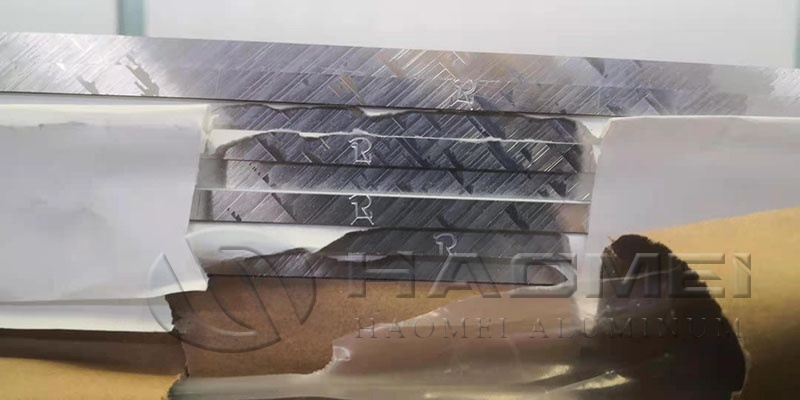
Profile Role
A conventional steel bulb flat is usually hot rolled. It is often welded to plate as a longitudinal or transverse stiffener. In aluminum vessels, the same design intent may be served by an extruded bulb, T, L, or custom profile, but it is not a direct steel replacement unless scantlings are recalculated.
Steel has an elastic modulus of about 200 GPa. Aluminum is about 69 GPa. Aluminum density is about 2.70 g/cm3, compared with about 7.85 g/cm3 for steel. That weight saving is attractive, but stiffness, fatigue, welding procedure, and corrosion behavior must be reviewed together.
For aluminum hulls, pair plate with marine alumium profile only when the extrusion grade, temper, and class certificate match the approved drawing.
Material Choices
| Option | Typical use | Strength point | Watch item |
|---|---|---|---|
| Hot rolled steel bulb flat | Merchant ships, tankers, offshore structures | High stiffness, established class practice | Coating damage, corrosion allowance, mill tolerance |
| Aluminum extruded bulb profile | Fast ferries, patrol boats, yachts, workboats | Low weight, integrated shape possible | Lower modulus, welding softening, minimum order tooling |
| Stainless stiffening or pipe interface | Chemical, exhaust, seawater service areas | Corrosion resistance | Galvanic isolation from aluminum, cost premium |
For marine aluminum, 5083, 5086, 5454, 5754, 6061, 6082, and 6005A are commonly discussed, depending on product form and class acceptance. Rolled 5xxx plate for marine service is often specified to ASTM B928 or equivalent class-approved standards. Extrusions are commonly specified under ASTM B221 or EN 755, then checked against classification society rules.
In smaller craft, Aluminum Boat Extrusions can reduce cutting and welding steps when the profile integrates drainage, cable routing, or edge reinforcement.
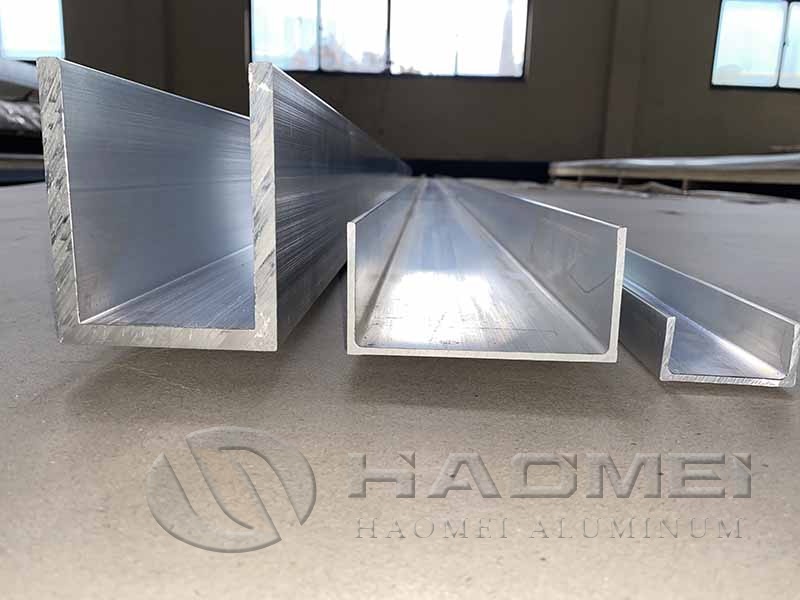
Standards Check
Do not approve a bulb section only by catalog size. Check the standard, certificate, and class notation.
| Item | Steel bulb flat | Aluminum profile |
|---|---|---|
| Dimensional standard | EN 10067 covers hot rolled bulb flats, dimensions, and tolerances | EN 755 or ASTM B221 for extruded bars, rods, profiles, and tubes |
| Hull material rules | IACS UR W11 for normal and higher strength hull structural steels | IACS UR W25 for aluminum alloys for hull construction and marine structures |
| Welding reference | ISO 15614 series, AWS D1.1 where applicable | AWS D1.2 or ISO aluminum welding qualification practice |
| Certificate | EN 10204 3.1 or class certificate as required | EN 10204 3.1, class approval, heat traceability |
| Corrosion concern | Coating system, edge preparation, cathodic protection | Galvanic isolation, sensitization risk for high-Mg 5xxx alloys in elevated temperature service |
Classification societies such as ABS, DNV, Lloyd's Register, Bureau Veritas, RINA, and ClassNK may have project-specific requirements. The approved structural drawing overrides a commercial catalog.
Tolerance Control
A stiffener that is nominally correct but out of tolerance can stop panel-line production. Set measurable receiving criteria before purchase.
| Parameter | Why it matters | Practical control |
|---|---|---|
| Height and width | Affects section modulus and weld access | Verify against drawing and EN 10067 or extrusion standard |
| Straightness | Controls automatic welding fit-up | Inspect on a flat bed or laser line before cutting |
| Twist | Causes tack-weld stress and distortion | Define maximum twist per length in the purchase order |
| Bulb radius | Impacts coating coverage and stress concentration | Compare with approved profile template |
| Surface condition | Affects welding and coating | Reject laminations, deep seams, heavy handling dents |
| Marking | Prevents grade mix-up | Require heat number, size, grade, and certificate match |
For aluminum, add conductivity or PMI checks if grade mix-up risk is high. For stainless seamless pipe delivered with the same project package, segregate carbon steel, aluminum, and stainless storage to prevent iron contamination and galvanic staining.
Cost Drivers
Pricing moves in cycles. Avoid fixed assumptions from a previous vessel series.
| Cost element | Steel bulb flat | Aluminum profile |
|---|---|---|
| Metal index | Billet, slab, regional steel indexes such as MEPS or SteelBenchmarker | LME primary aluminum plus regional premium |
| Conversion | Rolling, straightening, cutting | Extrusion billet, die, press time, heat treatment |
| Minimum run | Usually mill campaign dependent | Die and press schedule dependent |
| Freight | Long length surcharge and port handling | Long length protection, lower weight but higher damage sensitivity |
| Certification | Class survey and testing | Class survey, temper verification, corrosion test where required |
| Rework risk | Straightening, blasting, repair grinding | Scratch repair, weld procedure adjustment, profile redesign |
The 2023 IMO GHG Strategy targets net-zero GHG emissions from international shipping by or around 2050. This supports long-term interest in lightweight aluminum superstructures and efficient hull design, but material selection still depends on fatigue, fire boundary, repair practice, and class approval.
Supply Checks
Use this checklist before issuing a purchase order:
Confirm vessel class, rule edition, and approved drawing revision.
Specify profile size, length, grade, temper or delivery condition, and tolerance standard.
State whether class witness inspection is required at mill or warehouse.
Require EN 10204 3.1 or class certificate with heat traceability.
Define straightness, twist, end squareness, and surface acceptance.
Confirm packaging for long bars: timber spacing, dry storage, and anti-scratch separators for aluminum.
Align delivery sequence with panel-line cutting plans, not only total tonnage.
Separate aluminum from carbon steel during handling to prevent contamination.
Verify welding consumables and WPS before first production panel.
Record actual weights for freight, nesting, and vessel weight control.
Ordering Data
A clean RFQ prevents technical disputes. Include this data block:
| Field | Example format |
|---|---|
| Product | Bulb flat stiffener or aluminum extruded bulb profile |
| Standard | EN 10067, EN 755, ASTM B221, or project rule reference |
| Grade | AH36, DH36, 5083, 5086, 6082-T6, as approved |
| Size | Height x width x web thickness x bulb geometry |
| Length | Fixed length, random length, or cut-to-length schedule |
| Certificate | EN 10204 3.1, class certificate, heat traceability |
| Inspection | Visual, dimensional, ultrasonic if required, witness survey |
| Packing | Bundled, strapped, end protected, moisture controlled |
Risk Controls
For steel bulb flats, the most common production risks are camber, twist, coating preparation, and delayed class paperwork. For aluminum profiles, the main risks are die availability, temper mismatch, weld softening near the heat-affected zone, and galvanic contact with stainless or carbon steel fittings.
Handle the profile as a structural component, not a commodity bar. Confirm the rule basis, lock dimensional tolerances in writing, and test the first delivery before releasing serial cutting. This reduces rework hours, protects vessel weight control, and keeps class inspection on schedule.