

Marine Aluminum Pipe
Shipboard piping must balance corrosion resistance, weight, fabrication speed, and long-term reliability. Marine aluminum pipe is widely specified for seawater-capable systems, ventilation, deck drainage, and non-ferrous fluid lines where weight savings and good corrosion performance matter. For shipyards and fabricators ordering in volume, the right alloy, temper, and joining method can reduce rework, simplify welding, and improve service life.
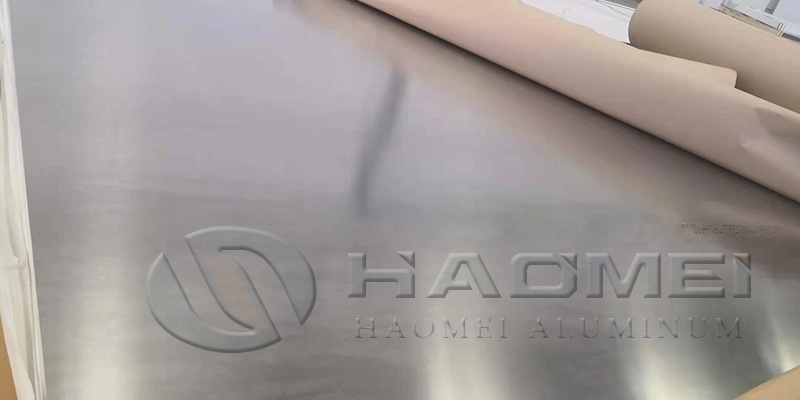
What it is and where it is used
In marine construction, aluminum pipe typically refers to seamless or welded tube and pipe made from marine-grade alloys, supplied in straight lengths and matched with compatible fittings and welding consumables. Common onboard applications include:
- Seawater and brackish water lines in suitable alloy selections and with correct isolation from dissimilar metals.
- Bilge, ballast, deck wash, and drainage systems where low weight reduces top-side mass.
- Ventilation, exhaust ducting sections, and structural sleeves in superstructures.
- Fire main alternatives in non-class-critical areas when permitted by design and approvals.
Piping layouts often share routing space with superstructure framing. In these zones, pairing pipe runs with marine alumium profile components helps keep material families consistent for welding and corrosion management.
Alloy and temper selection for marine service
Selecting alloy is primarily about corrosion behavior in chloride environments and weld performance. The most common families are 5xxx (Al-Mg) and 6xxx (Al-Mg-Si), each with strengths and tradeoffs.
- 5xxx series (such as 5083, 5086, 5052): Strong seawater corrosion resistance and excellent weldability. Often chosen for piping exposed to seawater, splash zones, or persistent condensation.
- 6xxx series (such as 6061, 6082): Good strength, machinability, and extrusion availability. Often used for structural tube, supports, and systems where corrosion exposure is moderate and protective measures are in place.
Temper also matters:
- H116 and H321 are frequently specified for marine plate and can be requested when relevant for tube or pipe products where available, due to proven marine corrosion performance in certain service conditions.
- T6 is common for 6xxx, offering higher strength but requiring attention to weld heat-affected zones where strength drops locally.
Typical selection matrix
| Shipboard environment | Preferred alloy family | Why it is chosen | Notes for designers and fabricators |
|---|---|---|---|
| Seawater contact, splash, persistent condensation | 5xxx (Al-Mg) | Strong resistance to chloride attack, stable welds | Use compatible filler, manage galvanic isolation at interfaces |
| Interior, dry spaces, supports, racks | 6xxx (Al-Mg-Si) | Higher strength options, good machinability | Expect strength reduction adjacent to welds in T6 temper |
| Mixed exposure, frequent washdown | 5xxx or protected 6xxx | Balance corrosion and fabrication | Consider coatings, drainage, and crevice design |
Dimensions, tolerances, and supply format
Bulk supply is usually organized by outside diameter, wall thickness, length, and end condition. Orders typically include:
- Straight lengths for efficient cutting and fit-up, commonly 6 m, with custom lengths by agreement.
- End finishes suitable for welding prep, flanging, or mechanical couplings.
- Documentation package aligned to project requirements, such as heat number traceability, inspection records, and test certificates when requested.
When pipe is used together with long-run framing and walkways, it is often coordinated with extrusion programs. Many yards align piping supports and brackets with Aluminum Boat Extrusions to standardize alloys and reduce mixed-material corrosion risk.
Practical ordering checklist
| Item to specify | Options to consider | Why it affects performance |
|---|---|---|
| Alloy | 5083, 5086, 5052, 6061, 6082 | Corrosion resistance, weld behavior, strength |
| Temper | H temper, T6, as-welded condition | Strength after fabrication and during service |
| Product form | Seamless or welded tube | Availability, consistency, pressure performance |
| Quality requirements | Dimensional tolerance, NDT level if required | Fit-up speed, leak risk, inspection acceptance |
| Surface condition | Mill finish, cleaned, protected packing | Weld cleanliness and corrosion control |
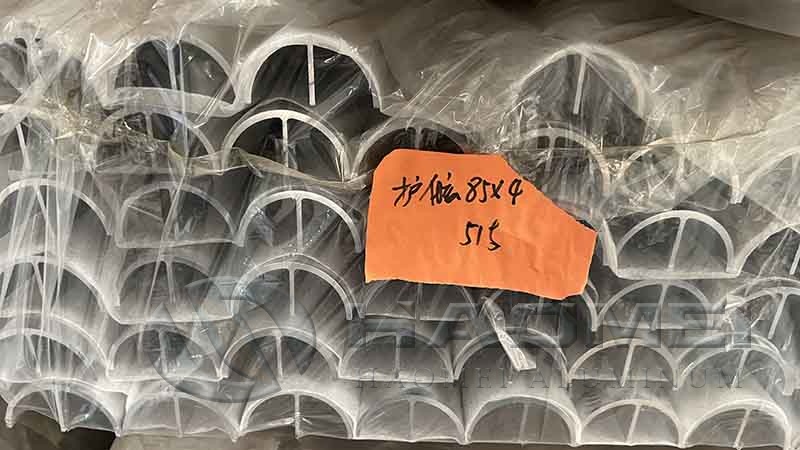
Fabrication and welding considerations
Aluminum piping performance is strongly influenced by weld procedure control and corrosion prevention details.
- Filler selection: For 5xxx base alloys, fillers in the 5xxx family are widely used due to strong corrosion resistance and good crack resistance. For 6xxx base alloys, filler choice often aims to balance strength and crack sensitivity. Selection should follow the applicable welding code and the ship or class requirements.
- Cleanliness: Remove oxide and contaminants immediately before welding. Dedicated stainless brushes and solvent cleaning help reduce porosity.
- Heat input control: Excessive heat can increase distortion and can reduce mechanical properties around the weld, especially in precipitation-hardened alloys.
- Galvanic isolation: Avoid direct contact between aluminum and copper alloys or carbon steel in wet areas. Use insulating gaskets, sleeves, and proper coating systems where required.
- Crevice management: Design supports and clamps to avoid water traps. Provide drainage and ventilation, especially under insulation.
For pipe assemblies with frequent thermal cycling or vibration, consider support spacing, flexible connections where needed, and smooth routing to reduce stress concentration.
Performance benefits valued in shipyards
For production teams focused on throughput, aluminum pipe offers practical advantages:
- Weight reduction: Lower mass supports fuel efficiency and allows higher payload or improved stability margins.
- Fast fabrication: Good weldability and easy handling improve shop productivity.
- Corrosion resistance: Proper alloy choice and isolation details support long service life in marine atmospheres.
- Compatibility with aluminum superstructures: Material uniformity simplifies joining and reduces bimetallic corrosion points.
Depending on the ship type, the final specification should be aligned with the vessel design rules, applicable standards, and project documentation requirements for pressure rating, testing, and acceptance criteria.