

Aluminium Aw 5083
For shipyards, boatbuilders, offshore fabricators, and marine equipment producers, holiday shutdowns can turn a minor material delay into a costly restart problem. When Christmas and New Year closures affect mills, ports, welding teams, or inspection schedules, material selection must support reliable fabrication before the break.
Aluminium AW 5083 is widely specified where seawater corrosion resistance and welded strength matter. Its main advantage is not simply high magnesium content. The practical benefit is dependable performance in welded marine structures when the correct temper, certification, filler wire, and corrosion controls are specified together.
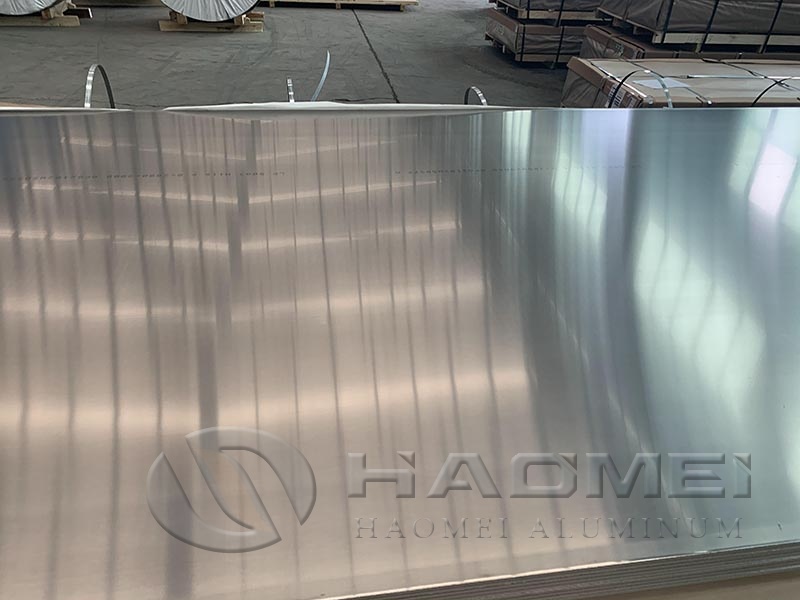
Specify the Correct Marine Grade Before Holiday Shutdowns
EN AW-5083 is the European designation for an aluminium-magnesium-manganese alloy, commonly designated AlMg4.5Mn0.7 under EN 573-3. The standard lists magnesium at 4.0% to 4.9% by mass and manganese at 0.4% to 1.0%. These additions give the alloy strong resistance to marine atmospheres and seawater exposure, while retaining good weldability.
The highest-priority concern for marine users is corrosion near welds and in continuously wet zones. High-magnesium 5xxx alloys can become susceptible to sensitization when exposed for long periods to elevated temperatures. Sensitization may reduce resistance to intergranular or exfoliation corrosion. This is why temper selection and test documentation matter more than selecting by alloy number alone.
For sheet and plate used in hulls, decks, tanks, superstructures, and workboats, ASTM B928/B928M is an important reference. It covers high-magnesium aluminium-alloy sheet and plate intended for marine service and includes requirements related to exfoliation-corrosion resistance. H116 and H321 tempers are commonly requested where this risk must be controlled.
| Requirement | What to place on the purchase specification | Why it prevents holiday disruption |
|---|---|---|
| Alloy identity | EN AW-5083 / AlMg4.5Mn0.7 | Prevents substitution with a lower-strength or differently tempered 5xxx alloy. |
| Product standard | EN 485 for sheet and plate, or ASTM B928/B928M where applicable | Aligns dimensions, mechanical properties, and marine-service expectations. |
| Temper | State H111, H116, H321, or project-required temper | Mechanical properties and corrosion performance depend on temper and thickness. |
| Corrosion evidence | Request applicable ASTM G66 or ASTM G67 test reporting when required | Provides auditable evidence for high-magnesium alloy corrosion resistance. |
| Traceability | EN 10204 Type 3.1 inspection certificate, heat number, and piece marking | Keeps fabrication records intact through staged holiday deliveries. |
A quotation should also identify thickness tolerance, width, length, protective film, cut-edge condition, and allowable flatness. These details reduce rework when fabrication teams return after a closure period.
Build a Welded Corrosion-Control Package, Not a Sheet-Only Order
The best holiday solution is a matched material package. Marine aluminum sheet, extruded profiles, welding wire, transition details, and compatible fittings should be reviewed as one fabrication system.
For plate-intensive structures, specify 5083 aluminum plate with the exact temper and certificate requirements. For applications where design calculations permit a related alloy, 5086 aluminum plate can be evaluated separately. The two alloys should not be treated as automatic equivalents because composition ranges, temper availability, mechanical properties, and project approvals can differ.
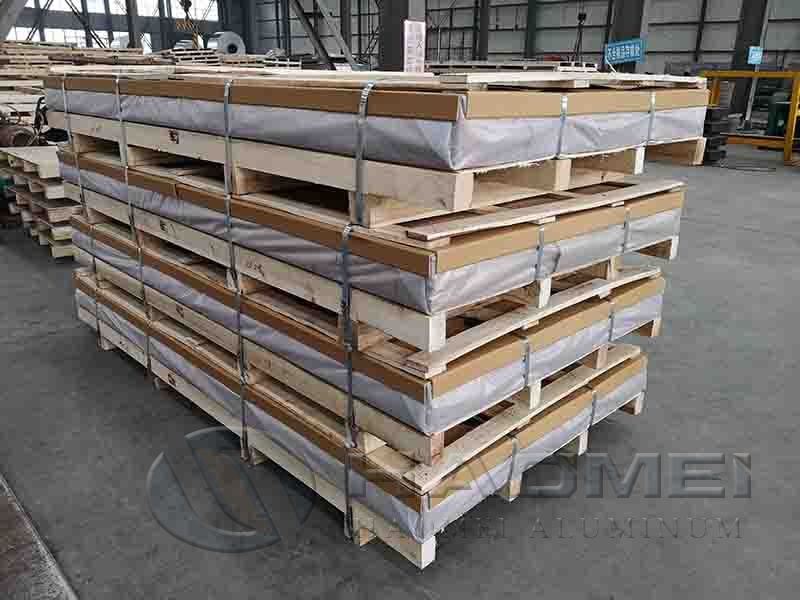
Use this fabrication checklist before releasing material for a holiday-period build:
-
Match filler metal to the joint design. For 5083 structures, filler selection must follow approved welding procedures. ER5183 is frequently used for high-strength marine joints, but the welding procedure specification, service temperature, and strength requirements determine the final choice.
-
Confirm post-weld strength assumptions. Strain-hardened tempers lose strength in the heat-affected zone. Design calculations must use the applicable welded-joint values, not only parent-material values from a mill certificate.
-
Separate stainless steel from aluminium. Seamless stainless steel pipe and stainless pipe fittings can create galvanic-corrosion risk when electrically connected to wet aluminium. Use approved dielectric barriers, non-absorbent isolation materials, suitable sealants, and drainage design.
-
Control standing water. Avoid unsealed lap joints, unventilated crevices, and water traps around fittings. Good drainage and coating repair are practical corrosion controls.
-
Preserve identification after cutting. Transfer heat numbers to cut parts or maintain a controlled cut list. This is essential when inspection activity spans a shutdown.
| Package item | Required control | Verification document |
|---|---|---|
| Marine sheet or plate | Alloy, temper, dimensions, surface condition | EN 10204 Type 3.1 certificate |
| Profiles | Alloy, temper, section drawing, straightness | Certificate plus dimensional inspection record |
| Welding wire | Filler classification, spool batch, storage condition | Manufacturer certificate and welding consumable record |
| Stainless pipe fittings | Grade, pressure class, isolation method | Material certificate and assembly drawing |
| Finished welded assembly | Weld procedure, visual inspection, repair record | WPS/PQR reference and inspection report |
Time the Order Around Real Logistics and Inspection Gates
A holiday-ready release plan should work backward from the last date when the fabrication team can receive, inspect, and segregate material. Do not rely only on an estimated vessel departure or mill completion date.
Set four fixed gates:
- Technical release: Drawings, alloy temper, welding requirements, and corrosion-test requirements are frozen.
- Mill-document review: Certificates are checked against the order before dispatch, including heat numbers and standard references.
- Receipt inspection: Dimensions, surface damage, packaging integrity, and marking are verified before warehouse acceptance.
- Fabrication staging: Plates, profiles, welding wire, and isolated stainless interfaces are issued together for each work order.
Price comparisons also need a common basis. Aluminium market references such as the London Metal Exchange price do not represent the finished cost of a certified marine product. Compare the complete commercial scope: alloy conversion, temper, dimensions, cutting, protective packaging, certification, testing, freight terms, and delivery timing. A lower unit price can become more expensive if certificates are incomplete or material reaches site after the inspection team has left.
For seawater-facing welded structures, the strongest purchasing control is clear: specify EN AW-5083 with the correct temper, require traceable documentation, and coordinate compatible welding and stainless-isolation components before holiday closures begin.