

Al 5052 Chemical Composition
For marine structures, tanks, walkways, piping supports, and corrosion-exposed assemblies, the main concern is not simply ordering Alloy 5052. It is confirming that the delivered material meets the specified elemental limits and that its mill test documentation matches the heat supplied.
The Al 5052 chemical composition is controlled primarily by magnesium and chromium. These elements provide useful corrosion resistance and moderate strength without heat treatment. A small variation outside the allowed range can affect forming behavior, weld-zone performance, and compliance with project specifications.
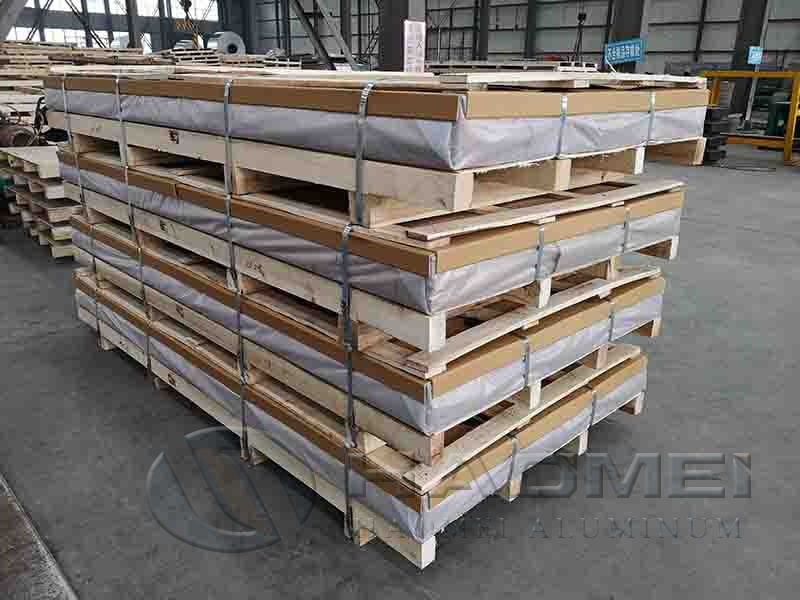
Specified Limits
The following limits are widely published for registered wrought Alloy 5052. They align with the Aluminum Association alloy designation data. Contract documents should always identify the required product standard, temper, thickness, and inspection requirements.
| Element | Required Content, % by Weight |
|---|---|
| Silicon, Si | 0.25 max |
| Iron, Fe | 0.40 max |
| Copper, Cu | 0.10 max |
| Manganese, Mn | 0.10 max |
| Magnesium, Mg | 2.2-2.8 |
| Chromium, Cr | 0.15-0.35 |
| Zinc, Zn | 0.10 max |
| Other elements, each | 0.05 max |
| Other elements, total | 0.15 max |
| Aluminum, Al | Remainder |
These values are chemical limits, not mechanical-property guarantees. Tensile strength, proof stress, elongation, bend capability, and hardness depend heavily on temper, thickness, and applicable standard.
Magnesium Focus
Magnesium content of 2.2-2.8% is the feature that deserves the closest review. Magnesium strengthens this non-heat-treatable 5xxx alloy through solid-solution strengthening while helping maintain corrosion resistance in marine and industrial environments.
For fabrication teams, this chemistry supports three practical outcomes:
Better strength than commercially pure aluminum grades.
Good cold-forming capability in suitable tempers.
Reliable resistance to general atmospheric and saltwater exposure when the alloy, design, and maintenance plan are appropriate.
However, 5052 is not automatically interchangeable with higher-magnesium marine alloys. Alloy 5083, for example, is often selected where higher strength is required in welded marine structures. Compare the design load, weld schedule, class requirements, and corrosion exposure before substitution.
A qualified 5052 aluminum plate specification should state the chemistry standard and require traceable heat identification rather than relying on a generic alloy label.
Material Checks
Use this checklist before releasing a production order or accepting incoming material.
| Checkpoint | What to Verify | Why It Matters |
|---|---|---|
| Alloy designation | 5052 is shown on the mill test certificate | Avoids substitution with a similar-looking grade |
| Magnesium result | Reported Mg is within 2.2-2.8% | Confirms the defining strengthening range |
| Chromium result | Reported Cr is within 0.15-0.35% | Supports expected corrosion and grain-structure behavior |
| Heat number | Material marking matches certificate heat number | Maintains traceability through fabrication |
| Temper | Confirm H32, H34, O, or project-required temper | Temper changes forming and mechanical performance |
| Standard | State ASTM B209/B209M, EN 573-3, or contract standard as applicable | Prevents ambiguity in acceptance criteria |
| Inspection record | Request EN 10204 Type 3.1 documentation when required | Provides certified test results linked to the delivery |
Do not accept a certificate that lists only "Aluminum 5052" without actual chemistry values, heat number, material dimensions, temper, and issuing mill or inspection organization.
Standards Context
The Aluminum Association maintains registered composition limits for wrought aluminum alloys. ASTM B209/B209M is commonly referenced for aluminum plate products in North American projects, while EN 573-3 is frequently used to define aluminum alloy chemical composition in European specifications.
These documents do not eliminate the need for a project-specific specification. Marine work may also require classification-society approval, welding procedure qualification records, nondestructive examination, or corrosion-control measures. DNV, ABS, Lloyd's Register, and other class organizations apply their own material and documentation rules based on vessel type and service.
When a contract calls for class-approved material, specify the class society, rule edition, certification level, and witness requirements at the quotation stage. A standard mill certificate alone may not satisfy a class-approved construction package.
Welding Match
Alloy 5052 is weldable by common gas metal arc and gas tungsten arc processes, but filler selection must follow the qualified welding procedure. For many 5xxx-alloy applications, ER5356 is a commonly used filler classification under AWS A5.10/A5.10M. The final choice depends on joint design, parent material combination, service temperature, strength target, and corrosion exposure.
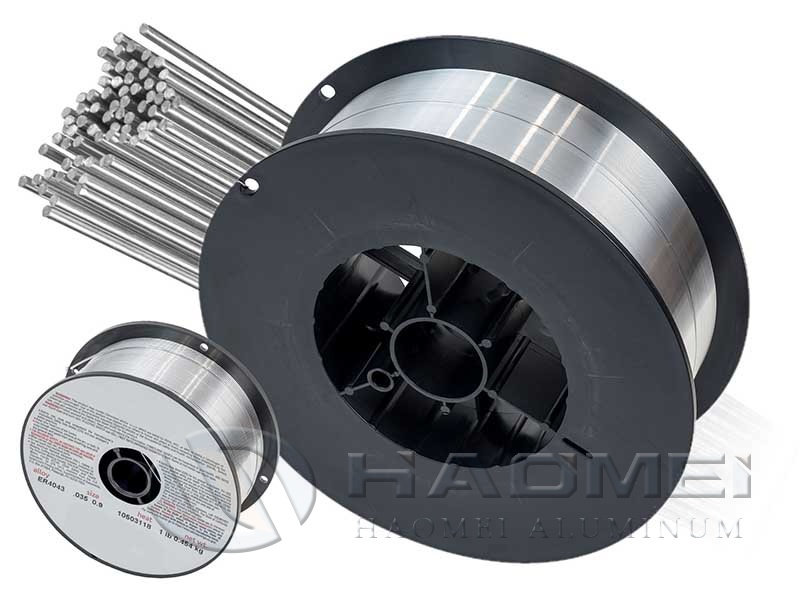
Where higher-strength marine aluminum is involved, an Alu Welding Wire selection should be reviewed against the approved WPS rather than selected solely by base-alloy name. Record filler classification, batch traceability, storage condition, shielding gas, and cleaning method in the welding documentation.
Specification Text
Use the following concise wording as a starting point for technical inquiries:
Alloy 5052 aluminum plate, temper , manufactured to . Chemical composition shall conform to the registered 5052 limits, including magnesium 2.2-2.8% and chromium 0.15-0.35%. Supply heat traceability and EN 10204 Type 3.1 mill test certification showing actual chemical analysis and mechanical test results.
Before fabrication, match each certificate to the marked material, confirm temper against bend requirements, and retain heat records with welding and inspection documents.