

Marine Grade Aluminium Suppliers
Potential new buyers often discover that "marine grade" is not a single material, but a set of alloys, tempers, test documents, and delivery capabilities. Below are 5 real-world questions that have been trending across Google and Q&A communities recently, with practical answers aimed at sourcing marine aluminum sheet, profile, welding wire, pipe fittings, and related stainless pipe items.
1) "Which alloy should I request from marine grade aluminium suppliers for hulls and decks, 5083 or 5086?"
This question keeps appearing because both alloys are widely marketed as "marine grade," yet they behave differently in fabrication and service.
For welded hull plating, 5083 is commonly chosen due to its strong track record in seawater exposure and good strength in the H116 or H321 tempers. 5086 is also corrosion resistant and can be easier to form on certain parts, but it is often specified where slightly different forming or strength targets apply. The more important detail is not only the alloy number, but the temper and certification standard.
When you ask a supplier, specify:
- Intended use: hull plating, superstructure, deckhouse, tanks, gangways, ramps.
- Thickness range: thin plate behaves differently from heavy plate in distortion control.
- Temper: for example H116 or H321 for plate where marine corrosion performance is expected.
- Standard: ASTM, EN, or classification society requirements if applicable.
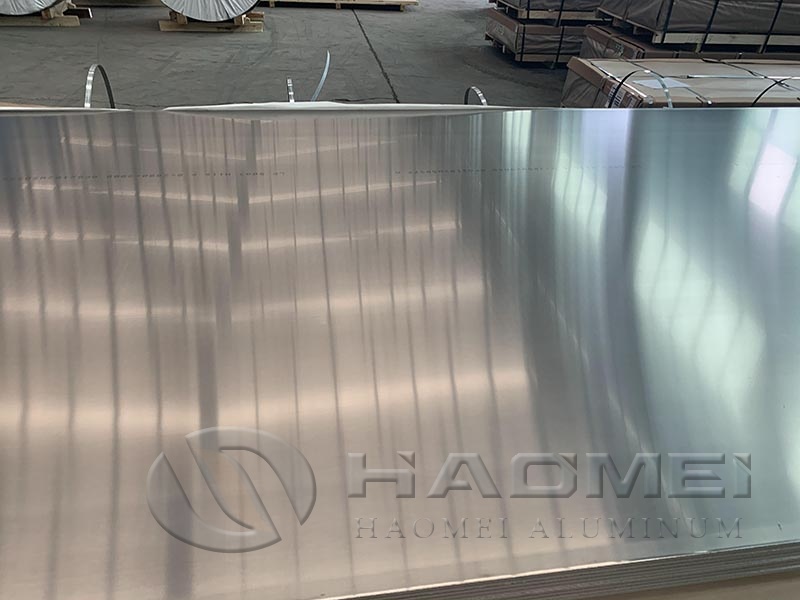
If you already know the common selection for your application, you can request 5083 aluminum plate with the exact thickness, temper, and inspection documents needed.
2) "How can I tell if a 'marine grade aluminium' supplier is legitimate and not just relabeling stock?"
The fastest way to filter suppliers is to ask for traceability and consistency, not marketing statements.
A legitimate supplier should be able to provide:
- Mill Test Certificate, EN 10204 3.1 is common for many international orders.
- Heat number traceability from plate or extrusion to documentation.
- Chemical composition ranges matching the standard.
- Mechanical properties for the specified temper.
- Flatness tolerances and surface requirements, especially for visible marine structures.
A practical check is to order a small trial batch with full paperwork and verify:
- The MTC matches the stamped markings on material.
- Dimensions, tolerances, and surface condition match the purchase order.
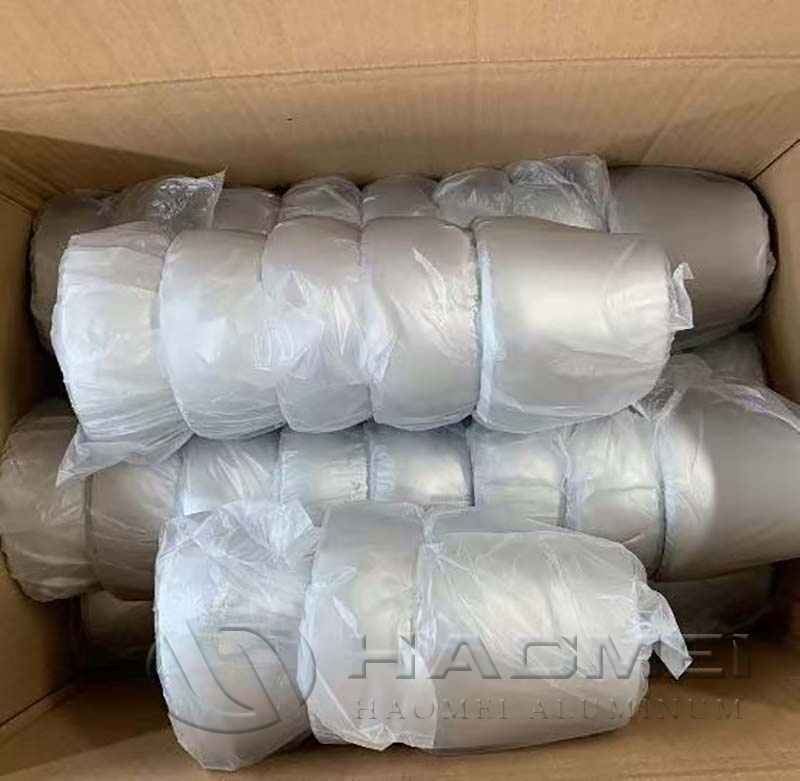
- Packaging is seaworthy, with corrosion and abrasion protection.
If the supplier cannot provide traceable documents or hesitates on standards language, treat the risk as high, even if pricing is attractive.
3) "What is the real lead time for marine aluminum sheet and profiles right now, and what causes delays?"
Lead time questions are trending because many buyers assume aluminum is always available, then run into production scheduling, extrusion die timing, or finishing bottlenecks.
Typical drivers of delay include:
- Non-stock thickness or wide plate sizes requiring rolling schedule.
- Special tempers, inspection levels, or classification requirements.
- Extrusion tooling for custom marine profiles.
- Anodizing, powder coating, or marine-grade surface prep capacity.
- Packing and container booking, especially for mixed loads.
To reduce surprises, ask your marine grade aluminium suppliers to quote lead time as a breakdown:
- Production time.
- Inspection and document time.
- Surface finishing time.
- Packing and dispatch time.
For projects involving extrusions, selecting an established profile option can be faster than a fully custom section. If you are sourcing structural sections for marine fabrication, a supplier offering marine alumium profile options with existing tooling can shorten delivery.
4) "Which aluminum welding wire matches marine plate best, and how do I avoid cracking or corrosion issues?"
This question appears frequently because welding wire choice affects both crack sensitivity and corrosion behavior in seawater.
Good practice is to match welding wire to:
- The base alloy family, for example 5xxx series plate.
- Service temperature and exposure, including seawater and bilge environments.
- Strength requirement in the weld zone.
Avoiding common problems:
- Control heat input to reduce distortion and preserve properties.
- Use clean prep, remove oxide, and keep consumables dry.
- Confirm the wire diameter and spool type match your feeding system.
- Request certificates for the welding wire, not only for plate.
If the fabrication includes pipe transitions or stainless connections, also plan for galvanic corrosion control. That may include isolation, coatings, or selecting compatible fittings.
5) "Do marine grade aluminium suppliers also stock pipe fittings and seamless stainless steel pipe for boat and offshore builds?"
Many buyers want fewer vendors, but not every aluminum supplier is equipped to supply both aluminum and stainless items consistently.
What to check when sourcing a mixed basket:
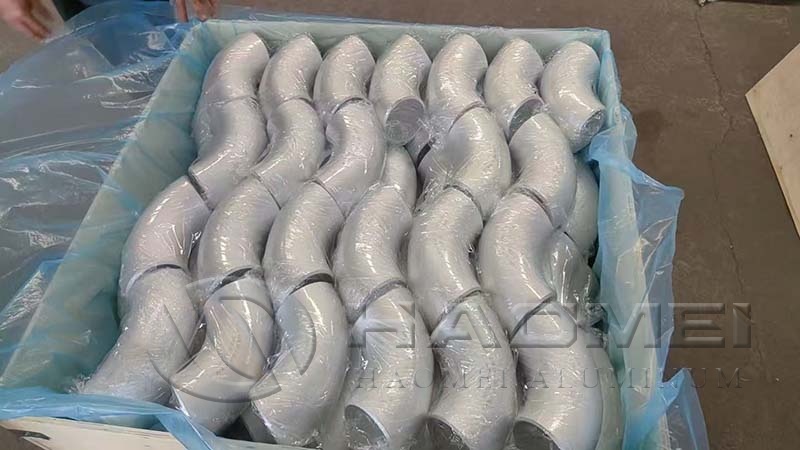
- Aluminum pipe fittings: elbows, reducers, flanges, and their alloy and temper.
- Dimensional standards: ASTM, ASME, EN, and whether pressure ratings apply.
- Stainless seamless pipe: grade, schedule, surface finish, PMI testing if required.
- Packaging method: mixed metals should be separated to reduce surface contamination.
Fast comparison: what to request by product type
| Item you are buying | What to specify to the supplier | Common mistake to avoid |
|---|---|---|
| Marine aluminum plate or sheet | Alloy, temper, thickness, standard, MTC type, flatness | Asking only for "marine grade" with no temper or standard |
| Marine aluminum profile or extrusion | Alloy, temper, length, tolerances, finish, tooling status | Forgetting to confirm die availability and finish lead time |
| Aluminum welding wire | Alloy match, diameter, spool, certificates, storage requirements | Selecting wire only by price and getting poor feeding or weld defects |
| Aluminum pipe fittings | Alloy, pressure class if any, dimensions, surface, inspection | Mixing standards or assuming all elbows are interchangeable |
| Seamless stainless steel pipe | Grade, schedule, length, test requirements, finish | Skipping PMI and later discovering mixed heats |
Questions to send in your first email to suppliers
- Which standard do you produce to for this alloy and temper, and can you provide EN 10204 3.1 certificates?
- Can you confirm heat number traceability on the physical material and in the MTC?
- What is your quoted lead time split into production, inspection, and dispatch?
- How do you pack plate, profiles, and fittings for ocean shipment to prevent scratches and corrosion?
- For mixed orders, can you ship aluminum and stainless in separated bundles with clear labeling?