

ER5356 Rod
For yards handling aluminum sheet, extrusions, pipe fittings, and stainless pipe scopes in the same outage, ER5356 rod is often chosen because it matches the corrosion demands of 5xxx and many 6xxx marine aluminum assemblies.
The single concern to solve before the holiday rush is corrosion fit. A filler that welds easily but performs poorly in saltwater service can create rework after launch. ER5356 is an aluminum-magnesium filler; AWS A5.10/A5.10M classifies ER5356 filler metal with magnesium typically in the 4.5% to 5.5% range. That magnesium content is the reason it is widely used for marine fabrication, tanks, decks, ladders, railings, and hull-related components made from compatible aluminum alloys.
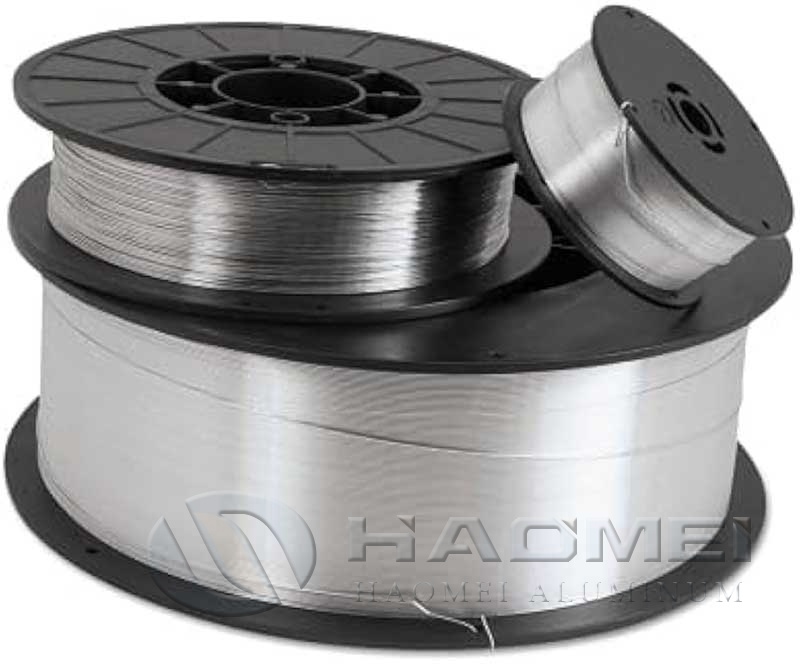
Why ER5356 Suits Marine Holiday Shutdown Work
ER5356 is not a generic aluminum filler. It is selected when the welded structure must resist saltwater exposure, vibration, and handling damage during a short maintenance window. Under AWS terminology, ER identifies a filler that can be used as an electrode or rod, depending on the process and product form.
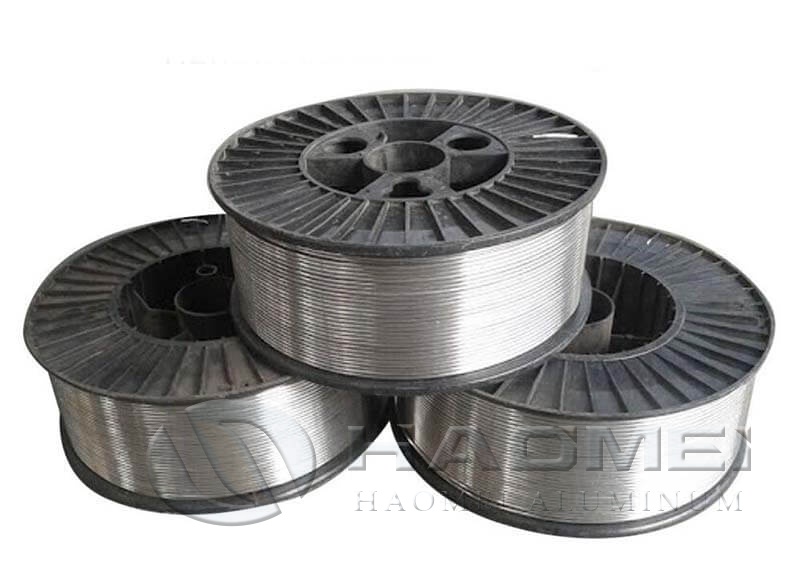
For TIG work on marine aluminum sheet and profiles, straight rods support controlled bead placement. For longer seams, compatible spooled Alu Welding Wire can support MIG productivity while keeping the same filler family in the welding plan.
| Job condition | Why ER5356 is practical | Check before release |
|---|---|---|
| 5xxx marine aluminum sheet | Good compatibility with common Al-Mg base metals such as 5052, 5083, and 5086 | Confirm base alloy and temper from mill certificates |
| 6xxx extrusions and profiles | Commonly used on 6061 and 6063 where color match after anodizing and strength matter | Verify weld procedure and service temperature |
| Saltwater exposure | Magnesium-bearing filler is preferred over silicon-rich filler for many marine parts | Confirm coating, cleaning, and post-weld inspection plan |
| Holiday shutdown repair | Straight rod packs are easy to issue by station and diameter | Reserve diameter mix before carrier cutoffs |
One limitation matters: ER5356 is generally not recommended for sustained service above about 65°C, because Al-Mg weld metal can become susceptible to stress corrosion cracking in certain conditions. This temperature caution is widely referenced in aluminum welding practice and should be reviewed against the project code, service environment, and welding procedure specification.
Shutdown Ordering Checklist For Large-Volume Teams
Holiday outages fail when material arrives in the wrong diameter, wrong package, or without paperwork. Use this checklist 4 to 8 weeks before the shutdown, especially around Christmas-New Year, Golden Week, Eid holidays, or Lunar New Year factory closures.
| Timing | Action | Required evidence |
|---|---|---|
| 8 weeks before work starts | Freeze base metal list: sheet, profile, cast parts, pipe accessories | Alloy, thickness, heat number, drawing revision |
| 6 weeks before | Confirm filler classification against WPS | AWS A5.10/A5.10M ER5356 or ISO 18273 equivalent naming if required |
| 4 weeks before | Lock rod diameters and package sizes | Diameter, length, carton weight, pallet requirement |
| 3 weeks before | Confirm holiday logistics route | Incoterms, port, carrier booking, customs code, arrival date |
| 2 weeks before | Separate aluminum and stainless work zones | Storage label, brush type, grinding tool control |
| 1 week before | Issue consumables by weld station | Rod batch, welder ID, WPS number, inspection hold points |
For marine aluminum TIG work, common rod diameter selection is driven by base metal thickness, joint design, and amperage range. Do not standardize every repair to one size. Oversized rod can increase heat input and make small repairs slow; undersized rod can interrupt work through constant feeding.
| Base metal thickness | Typical TIG rod planning approach | Practical risk if wrong |
|---|---|---|
| Thin sheet repairs | Smaller diameter for heat control | Burn-through and distortion |
| Medium plate or profile joints | Mid-range diameter for steady deposition | Slow fill or inconsistent bead profile |
| Heavy brackets or fittings | Larger diameter only when WPS supports it | Lack of fusion if travel and heat are not balanced |
Specification, Pricing, And Receiving Controls
For credibility at receiving inspection, request documents that reference recognized standards rather than marketing descriptions. AWS A5.10/A5.10M is the main U.S. specification for bare aluminum and aluminum-alloy welding electrodes and rods. ISO 18273 is commonly used in international documentation for aluminum welding consumables. If the job is classed by ABS, DNV, LR, or another marine society, confirm whether consumable approval or project-specific acceptance is required before the holiday window starts.
| Control point | What to request | Why it matters |
|---|---|---|
| Classification | ER5356 under AWS A5.10/A5.10M | Confirms filler type and chemistry basis |
| Chemistry | Certificate of conformity or mill test certificate | Supports traceability for marine QA files |
| Packaging | Moisture-resistant cartons or tubes, intact labels | Prevents contamination and mix-ups |
| Surface condition | Clean, bright rod with no oil, heavy oxide, or damage | Reduces porosity risk |
| Traceability | Batch number on carton and packing list | Supports repair records and audit response |
Pricing should be evaluated with transparent inputs. Aluminum filler pricing is influenced by the public LME aluminum price, regional premiums, alloying and conversion cost, diameter, packaging, certification requirements, and freight. During holiday periods, freight and warehousing can change faster than metal value. A quote with short validity is normal when LME-linked aluminum inputs move daily.
Use this comparison when deciding whether ER5356 or another filler should be specified.
| Filler option | Strength and corrosion profile | Marine use note |
|---|---|---|
| ER5356 | Higher strength than 4043 in many welded joints; strong saltwater relevance | Preferred for many 5xxx and 6xxx marine aluminum parts when service temperature allows |
| ER4043 | Silicon alloyed; good fluidity and crack resistance in some applications | Often used for castings and selected 6xxx work, but not the first choice for many saltwater Al-Mg structures |
| ER5183 | Higher Mg alloy filler used for high-strength 5xxx alloys | Consider for demanding 5083-type applications when WPS and design require it |
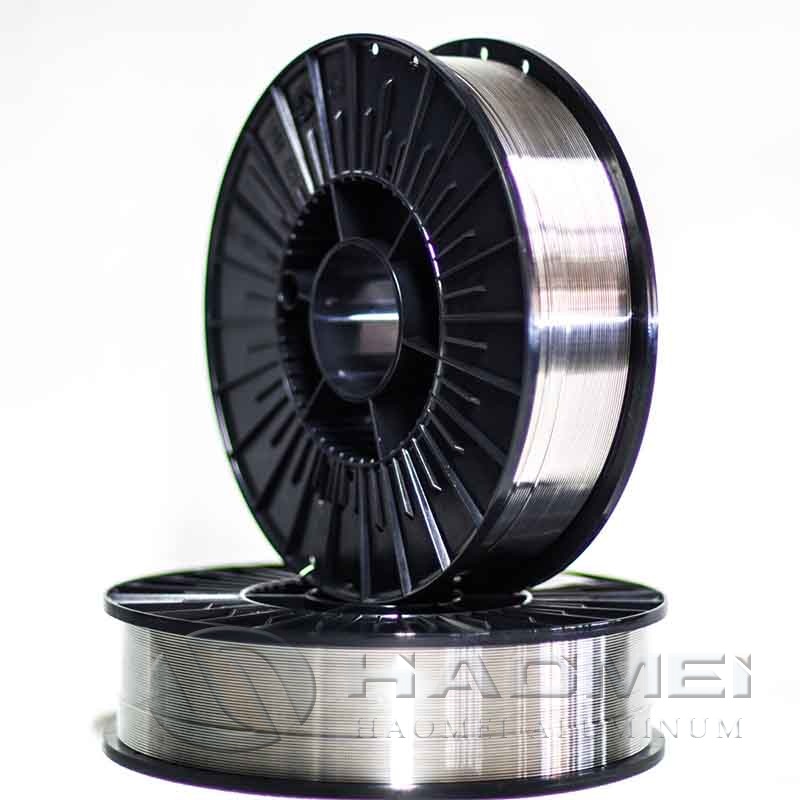
Store ER5356 rod indoors, dry, capped, and separated from carbon steel and stainless grinding dust. Aluminum oxide and shop contamination are common causes of porosity, so issue stainless-only brushes dedicated to aluminum work. Where seamless stainless steel pipe and aluminum structures are repaired in the same shutdown, separate cutting, grinding, and fit-up stations reduce cross-contamination.